
What Are Receding Gums?
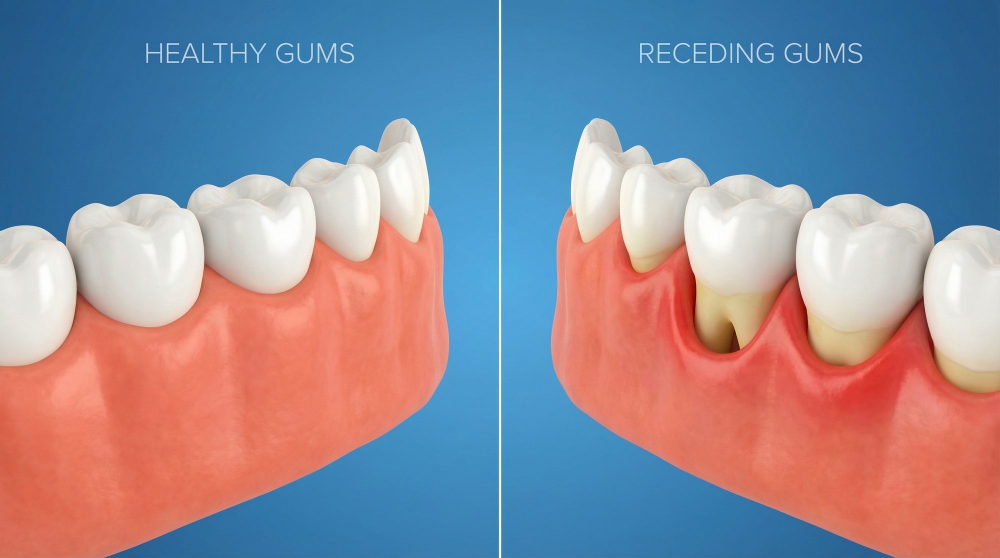
Receding gums happen when the gum tissue pulls back from the teeth. As a result, more of the tooth or its root becomes visible. This is known as gum recession. Often, receding gums can lead to sensitive teeth and even tooth loss if not treated. For many people, gum recession can make their smile look different. In addition, it may increase the risk of cavities and gum disease. Healthy gums protect your teeth and keep your mouth strong. When gums recede, they can no longer shield your teeth as well. Therefore, it is important to spot the signs early. If you are looking for treatment of receding gum in Madhapur consult Dr. Sajjan Reddy at Jubilee Dental Care and Implant Center.
Causes of Receding Gums
Many factors can lead to receding gums. Understanding these gum recession causes can help you protect your oral health. Below are some common reasons:
Symptoms and Early Signs
At first, receding gums may be hard to notice. However, there are some early signs you can watch for. For example, you may see your teeth look longer than before. In addition, your gums may feel sore or bleed when you brush. Many people also notice increased tooth sensitivity, especially to hot or cold foods. Sometimes, you might spot a notch near the gum line. If you see any of these symptoms, it is wise to visit a dentist soon. Early care can help prevent further gum recession and protect your teeth.
Diagnosis of Receding Gums
Dentists use several methods to diagnose receding gums. First, they will check your mouth during a clinical exam. They look for signs of gum loss, swelling, or redness. Next, they may use a small tool to measure how deep the pockets are between your teeth and gums. Sometimes, dental X-rays or other imaging help show bone loss or hidden gum problems. With these steps, your dentist can spot gum recession early and suggest the right treatment. For regular dental checkups in Madhapur consult expert dentist at Jubilee Dental Care and Implant Center.
Grafting Options for Receding Gums
If your gums have receded a lot, your dentist may suggest gum grafting. This treatment helps cover exposed roots and protect your teeth. There are a few main gum grafting options:
Each method has its own benefits. For example, connective tissue grafts are common and heal well. Free gingival grafts add thickness to thin gums. Pedicle grafts are used when there is enough gum tissue nearby. After the procedure, you may feel some soreness, but most people heal quickly. Your dentist will explain which option is best for you based on your needs.
How to Stop Receding Gums from Getting Worse
Stopping gum recession early is key to keeping your smile healthy. Fortunately, there are many ways to protect your gums. Here are some practical steps you can take:
With these habits, you can help prevent receding gums from getting worse. Early action makes a big difference in your oral health.
Expert Advice from Dr. Sajjan Reddy
Dr. Sajjan Reddy offers trusted dental advice for people with receding gums. According to Dr. Reddy, early detection and good oral care are vital. He recommends gentle brushing and regular dental visits. In addition, he stresses the importance of treating gum disease quickly. For those with advanced gum recession, Dr. Sajjan Reddy may suggest gum grafting options. He uses proven methods to restore gum health and protect teeth. Following Dr. Sajjan Reddy’s dental advice can help you keep your gums healthy and your smile bright.