

Reviewed by: Dr. Sajjan Reddy
BDS, MDS, NBDE (USA)
Renowned Prosthodontist & Implantologist in Hyderabad
Book Your Appointment
We’ll get back to you shortly!
Introduction
Many parents wonder how to keep their child’s teeth healthy. Baby teeth may seem temporary, but they are very important. They help children chew food, speak clearly, and hold space for adult teeth. However, early childhood cavities, also called baby bottle tooth decay, are a growing concern. At Jubilee Dental Care and Implant Center, Dr. Sajjan Reddy often sees how bottle feeding habits can lead to cavities in babies. Understanding this connection helps parents protect their child’s smile from the start.
What Are Bottle Feeding Cavities?
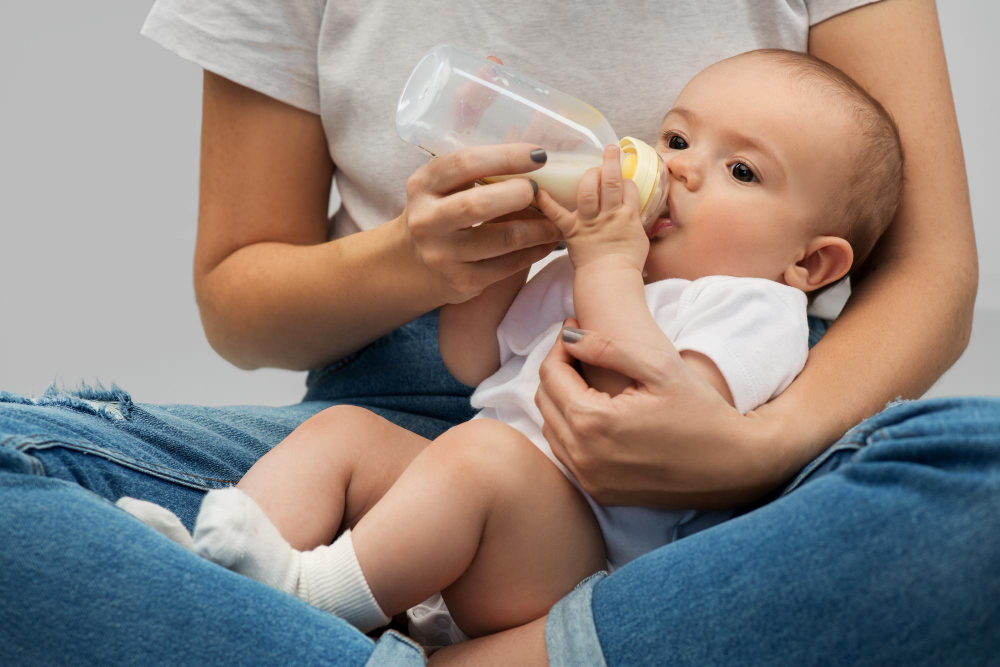
Bottle feeding cavities, also known as early childhood caries, are tooth decay that happens in babies and toddlers. This problem often starts when a child’s teeth are exposed to milk, formula, or sweet drinks for long periods. When a baby drinks from a bottle, especially at night or during naps, the liquid can pool around the teeth. Over time, this can cause cavities in babies. Even though baby teeth will fall out, early decay can lead to pain, infection, and problems with adult teeth later on.
How Bottle Feeding Can Lead to Cavities
It is important to know how certain bottle feeding habits can increase the risk of cavities. Here are some common ways:
Because of these habits, many children develop cavities before their first dental visit. Dr. Sajjan Reddy at Jubilee Dental Care and Implant Center encourages parents to be aware of these risks and take early action.
Common Signs of Early Childhood Cavities
Early childhood cavities can be hard to spot at first. However, parents should watch for these signs:
Tips to Prevent Bottle Feeding Cavities
Fortunately, there are many simple steps parents can take to prevent cavities in babies. Here are some practical tips:
When Should Parents Take Their Child to a Dentist?
Many parents wait until their child has a dental problem before visiting a dentist. However, early visits are key to good infant oral health. The first dental visit should happen by the time your child turns one or within six months of the first tooth appearing. During this visit, Dr. Sajjan Reddy will check for early signs of cavities, discuss feeding habits, and show you how to clean your child’s teeth. Regular check-ups at Jubilee Dental Care and Implant Center help prevent major dental problems and teach parents how to keep their child’s mouth healthy.
How Pediatric Dental Care Helps
Pediatric dental care is designed for children’s unique needs. At Jubilee Dental Care and Implant Center, Dr. Sajjan Reddy offers:
With expert care, you can protect your child’s smile and set healthy habits for life.
FAQs
Can bottle feeding cause cavities in babies?
Yes, bottle feeding can cause cavities, especially if babies sleep with a bottle or drink sugary liquids often. The sugars feed bacteria that make acid, which damages teeth.
At what age should bottle feeding be stopped?
It is best to stop bottle feeding by your child’s first birthday. Switching to a cup helps reduce the risk of early childhood cavities.
Is breast milk or formula milk harmful for teeth?
Breast milk and formula are important for babies. However, if teeth are not cleaned after feeding, even these can lead to cavities. Avoid letting babies sleep with a bottle or nurse for long periods at night.
How can I clean my baby’s teeth?
Start by wiping gums with a soft, damp cloth. Once teeth appear, use a small toothbrush and a tiny amount of fluoride toothpaste. Clean teeth twice a day, especially before bed.
When should my child have their first dental visit?
Your child should see a pediatric dentist by age one or within six months of the first tooth. Early visits help prevent problems and teach parents good habits.
Can baby teeth cavities affect permanent teeth?
Yes, untreated cavities in baby teeth can cause pain, infection, and even affect the growth of adult teeth. Early treatment is important for lifelong oral health.
Conclusion
In summary, healthy feeding habits and early dental care are the best ways to prevent cavities in babies. Bottle feeding and cavities are closely linked, but with the right steps, you can protect your child’s teeth. Dr. Sajjan Reddy and the team at Jubilee Dental Care and Implant Center are here to help every step of the way. Remember, early action leads to a lifetime of healthy smiles.
Protect your child’s smile from the beginning. Consult Dr. Sajjan Reddy at Jubilee Dental Care and Implant Center for expert pediatric dental guidance and preventive care.