
Introduction
Modern dental care is changing fast. One big change is the use of intraoral scanners. These devices help dentists take digital pictures of your mouth. The benefits of intraoral scanners in dentistry are many. They make dental visits easier, faster, and more comfortable. In this blog, you will learn how these scanners work and why they are important for your dental health.
What Are Intraoral Scanners?
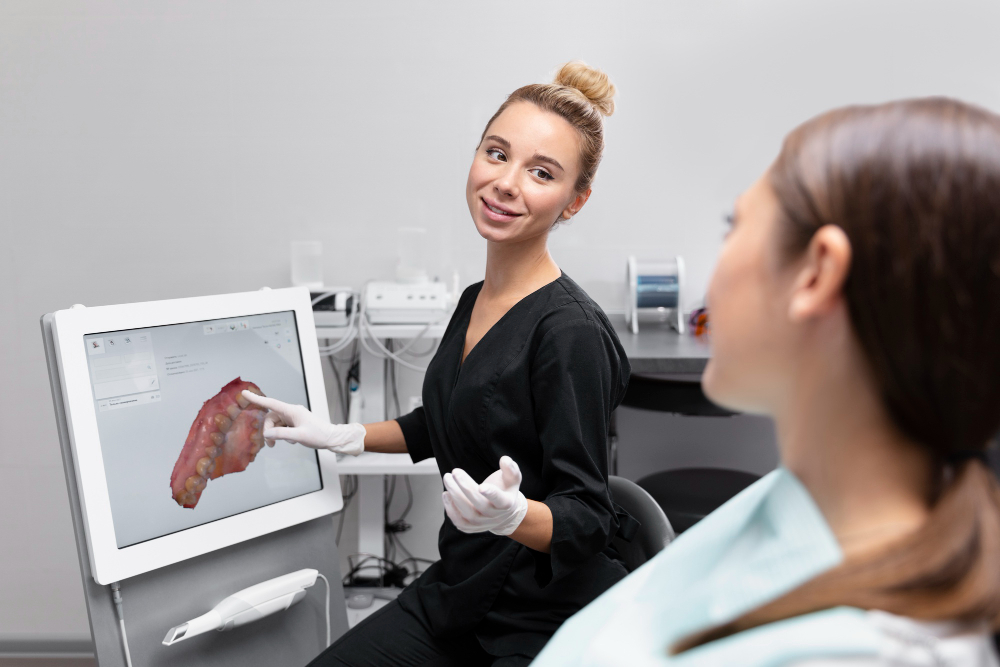
Intraoral scanners are small, handheld devices. Dentists use them to create digital images of your teeth and gums. Instead of using messy molds, the scanner takes quick pictures inside your mouth. As a result, dentists get a clear, 3D view of your teeth on a computer screen. This is a key part of modern dental technology.
Key Benefits of Intraoral Scanners in Dentistry
There are many reasons why dentists choose intraoral scanners. Here are some main benefits:
Because of these advantages, more dental clinics now use intraoral scanners.
How Intraoral Scanners Improve Patient Experience
Many patients feel nervous about dental visits. However, intraoral scanners help make the process smoother. For example, you do not have to bite down on trays filled with putty. Instead, the dentist gently moves the scanner around your mouth. This means less discomfort and less mess. In addition, you can see your teeth on a screen, which helps you understand your treatment better.
Accuracy and Efficiency in Dental Procedures
Accurate dental impressions are important for good results. Intraoral scanners provide detailed images, so dentists can plan treatments better. For instance, crowns, bridges, and aligners fit more precisely. Because the process is digital, dentists can send files quickly to dental labs. This often leads to faster treatment times. According to studies in dental journals, digital impressions are as accurate or even more accurate than traditional methods.
Safety and Hygiene Advantages
Safety is a top concern in dental care. Intraoral scanners help reduce the risk of spreading germs. Since there are no messy trays or materials, there is less chance of cross-contamination. Also, scanners are easy to clean between patients. This makes them a safer choice for everyone. The CDC recommends using digital tools to improve hygiene in clinics.
Common Applications in Dental Clinics
Intraoral scanners are useful in many dental treatments. Dentists use them for:
Because they are so versatile, intraoral scanners are now common in modern dental clinics.
Limitations and Considerations
While intraoral scanners offer many benefits, there are some limits. For example, they may not work as well for very large dental cases. Sometimes, traditional molds are still needed. Also, not every clinic has this technology yet. It is important to ask your dentist if intraoral scanners are available in your area. In some cases, costs may be higher, but many patients feel the benefits are worth it.
Future of Intraoral Scanning Technology
Dental technology keeps improving. In the future, intraoral scanners will likely become even faster and more accurate. New features may help dentists spot problems earlier. As more clinics adopt this technology, more patients will enjoy its benefits. If you live in a city with modern dental clinics, you may already have access to these tools.
Conclusion
Intraoral scanners are changing dental care for the better. They offer comfort, speed, and accuracy for both patients and dentists. If you want a better dental experience, ask your dentist about intraoral scanners. Consult Jubilee Dental Care and Implant Center to learn how intraoral scanners can improve your dental care.