
What are Periodontal Diseases?
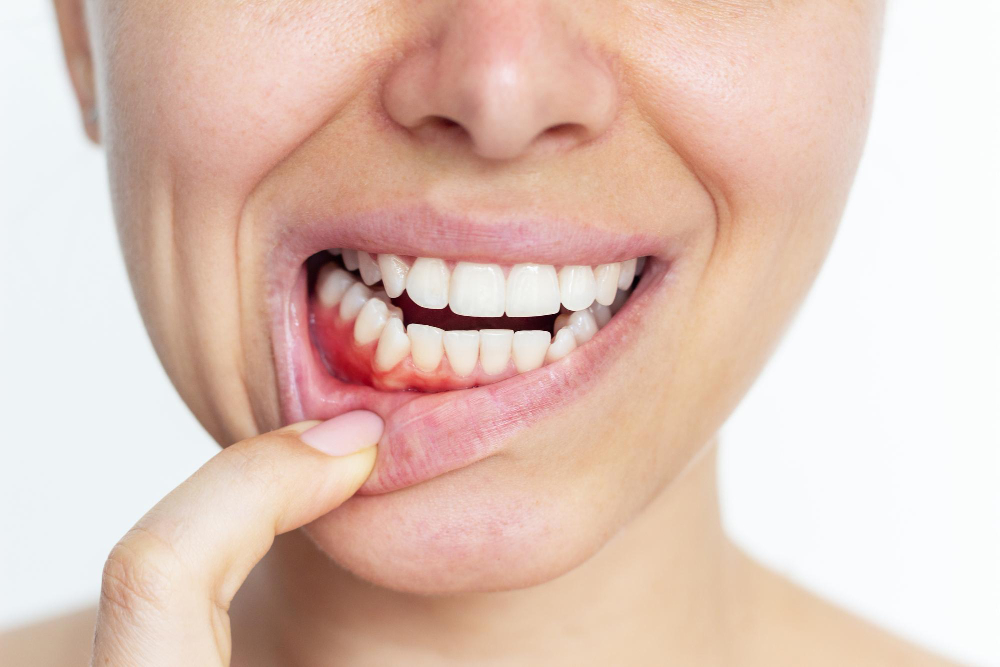
Periodontal diseases, also called gum diseases, are infections that affect the tissues around your teeth. These tissues include your gums, the bone, and the ligaments that hold your teeth in place. Usually, gum diseases start with mild swelling or redness. Over time, if not treated, they can lead to tooth loss. According to the CDC, almost half of adults over 30 have some form of gum disease. Because these diseases can be serious, it is important to know the signs and how to prevent them.
Common Symptoms of Gum Diseases
Early gum disease, known as gingivitis, may not cause pain. However, you might notice some warning signs. For example, you may see:
If you notice any of these gum disease symptoms, it is wise to see a dentist soon. Early treatment can prevent more serious problems.
Causes and Risk Factors
Most often, periodontal diseases are caused by plaque. Plaque is a sticky film of bacteria that forms on your teeth. If you do not remove plaque by brushing and flossing, it can harden into tartar. Tartar can only be removed by a dental professional. Besides poor oral hygiene, other risk factors include:
Because these factors can increase your risk, it is important to take extra care if any apply to you.
Diagnosis and When to See a Dentist
Regular dental check-ups help catch gum diseases early. During a visit, your dentist will check your gums for swelling, bleeding, and pocket depth. They may also take X-rays to see if bone loss has started. If you have any gum disease symptoms, do not wait. Early diagnosis makes treatment easier and more effective. If you live in a city, you can find a dentist near you for a quick check-up.
Treatment Options for Periodontal Diseases
Treatment for gum disease depends on how severe it is. For mild cases, better brushing and flossing may be enough. However, more advanced cases may need special care. Common treatments include:
Because every case is different, your dentist will suggest the best treatment for you. Always follow their advice for the best results.
Prevention and Oral Hygiene Tips
Preventing periodontal disease is possible with good daily habits. For example, you can:
Because prevention is easier than treatment, these gum health tips can help keep your smile healthy.
Frequently Asked Questions (FAQ) about Gum Diseases
In summary, periodontal diseases are common but preventable. Because early action is key, do not ignore any signs of gum problems. Consult a dental specialist at Jubilee Dental Care and Implant Center for personalized advice on gum health.