
Introduction
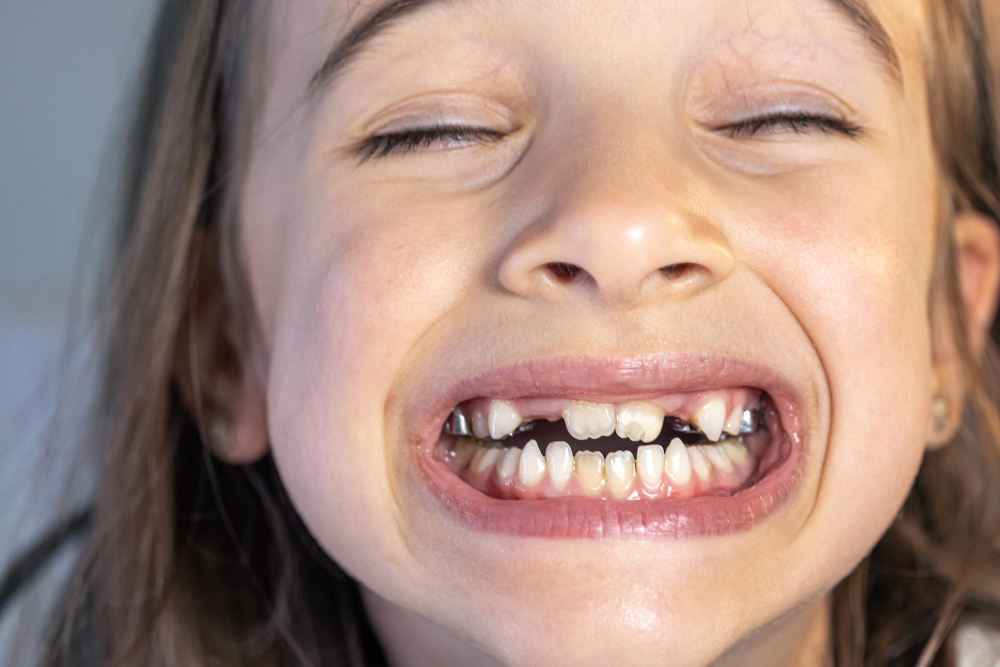
Many parents notice white spots, yellow patches, or brown spots on their child’s teeth while brushing or during a smile. Sometimes, these changes are harmless. However, they can also signal enamel problems or early tooth decay. Because of this, early dental evaluation is important. A dentist can help find the cause and suggest the right treatment for your child.
What Do White and Brown Spots on Children’s Teeth Mean?
Enamel is the hard, outer layer of each tooth. It protects teeth and gives them their white color. When spots appear, it may mean the enamel did not form properly. Sometimes, it can also mean there is too much fluoride, early tooth decay, or even trauma to the tooth. In some cases, food, drinks, or poor brushing habits can cause stains. Therefore, it is important to know the reason for these changes.
Causes of White Spots on Children’s Teeth
Enamel Hypoplasia / Enamel Development Defects
Sometimes, enamel does not form as it should. This is called enamel hypoplasia. As a result, white, yellow, or brown patches may appear. These areas can feel rough or look thin. Children with enamel defects may have sensitive teeth or a higher risk of cavities.
Fluorosis
When children get too much fluoride while teeth are forming, fluorosis can occur. This often shows as mild white lines or patches on the teeth. Usually, these spots do not cause pain, but they can affect how teeth look.
Early Tooth Demineralisation
In some cases, white spots are an early sign of mineral loss from the enamel. This often happens when plaque builds up due to poor brushing. If not treated, these spots can turn into cavities.
Causes of Brown Spots on Children’s Teeth
Tooth Decay
Brown or dark spots often mean tooth decay. Bacteria in the mouth produce acids that damage enamel. Over time, this can create cavities and brown patches.
Enamel Defects
Sometimes, enamel does not develop properly, leading to brown discoloration. These defects can make teeth weaker and more likely to get cavities.
Staining
Brown spots can also come from stains. For example, some foods and drinks, poor brushing, and plaque buildup can all cause stains on children’s teeth.
Are White or Brown Spots on Baby Teeth Serious?
Baby teeth are important for chewing, speech, and guiding adult teeth into place. Even though baby teeth fall out, ignoring spots can let problems get worse. Early dental checks help find and treat issues before they cause pain or affect permanent teeth.
How Are These Spots Diagnosed?
Pediatric dentist will examine your child’s teeth and gums. Next, they may check how the teeth developed and look at your child’s brushing habits. Sometimes, X-rays are needed to see inside the teeth. This helps the dentist tell if the spots are harmless or need treatment.
Treatment Options for White and Brown Spots
Treatment depends on the cause and how severe the spots are. Some common options include:
How Can Parents Prevent Tooth Spots in Children?
When Should Parents Consult a Pediatric Dentist?
Why Choose Jubilee Dental Care and Implant Center?
At Jubilee Dental Care and Implant Center, Dr. Sajjan Reddy and the team offer a child-friendly dental environment. They provide thorough pediatric dental checks and focus on early detection and prevention. Each child receives a personalized treatment plan. Above all, they aim to create positive dental experiences for children in every visit.
Frequently Asked Questions
Are white spots on children’s teeth always a sign of cavities?
Not always. White spots can be due to enamel changes, development issues, or too much fluoride, not just cavities.
Can brown spots on baby teeth be removed?
Treatment depends on the cause. If it is staining, cleaning may help. If it is decay or enamel changes, dental care is needed.
Can tooth spots affect permanent teeth?
Sometimes, enamel problems in baby teeth can affect adult teeth. Early dental checks help prevent future issues.
How can I prevent white spots on my child’s teeth?
Good oral hygiene, a balanced diet, using fluoride as advised, and regular dental visits all help prevent spots.
At what age should children visit a dentist?
Children should see a dentist by their first birthday or when their first teeth appear, as recommended by dental experts.